Filmbase

Riojim & Lionel Palun

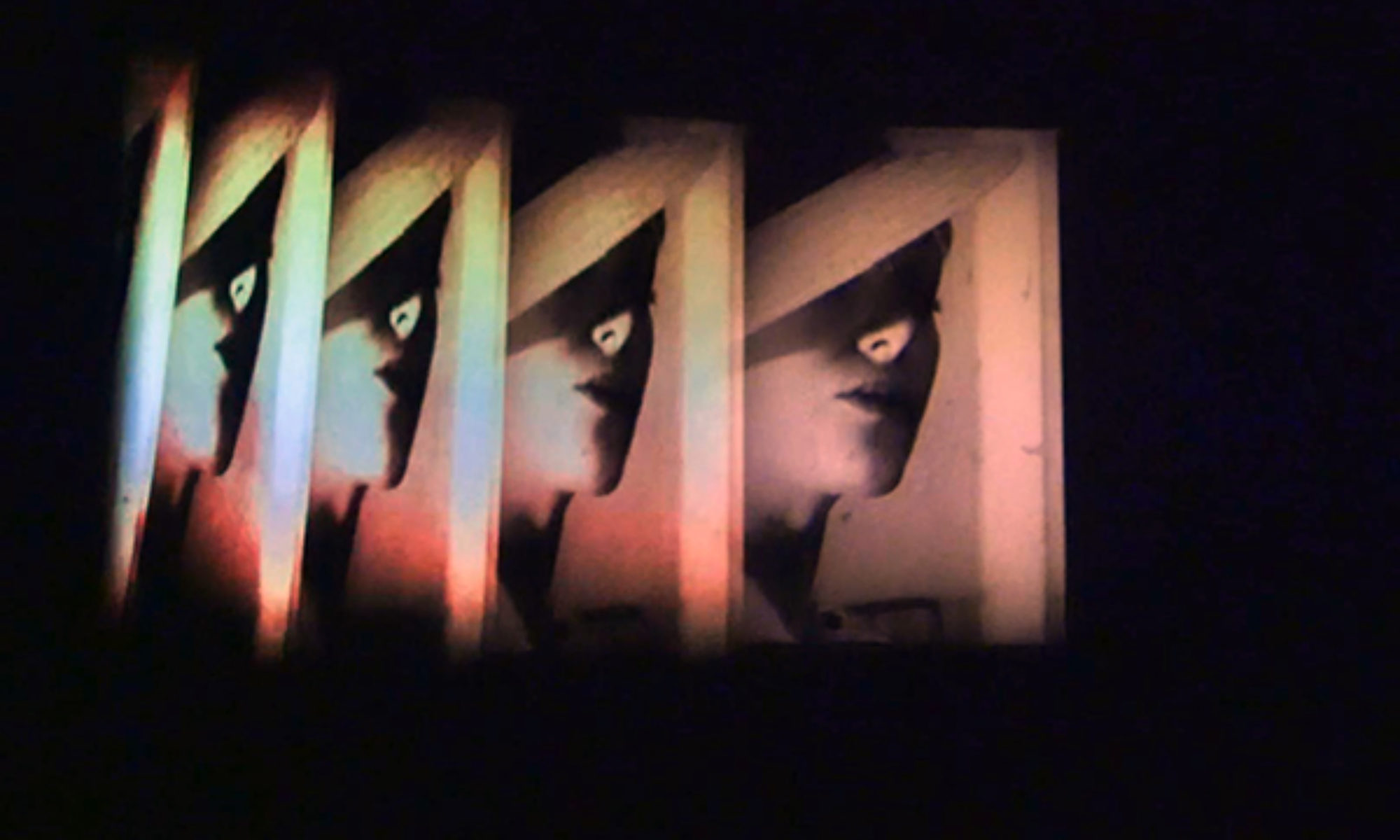
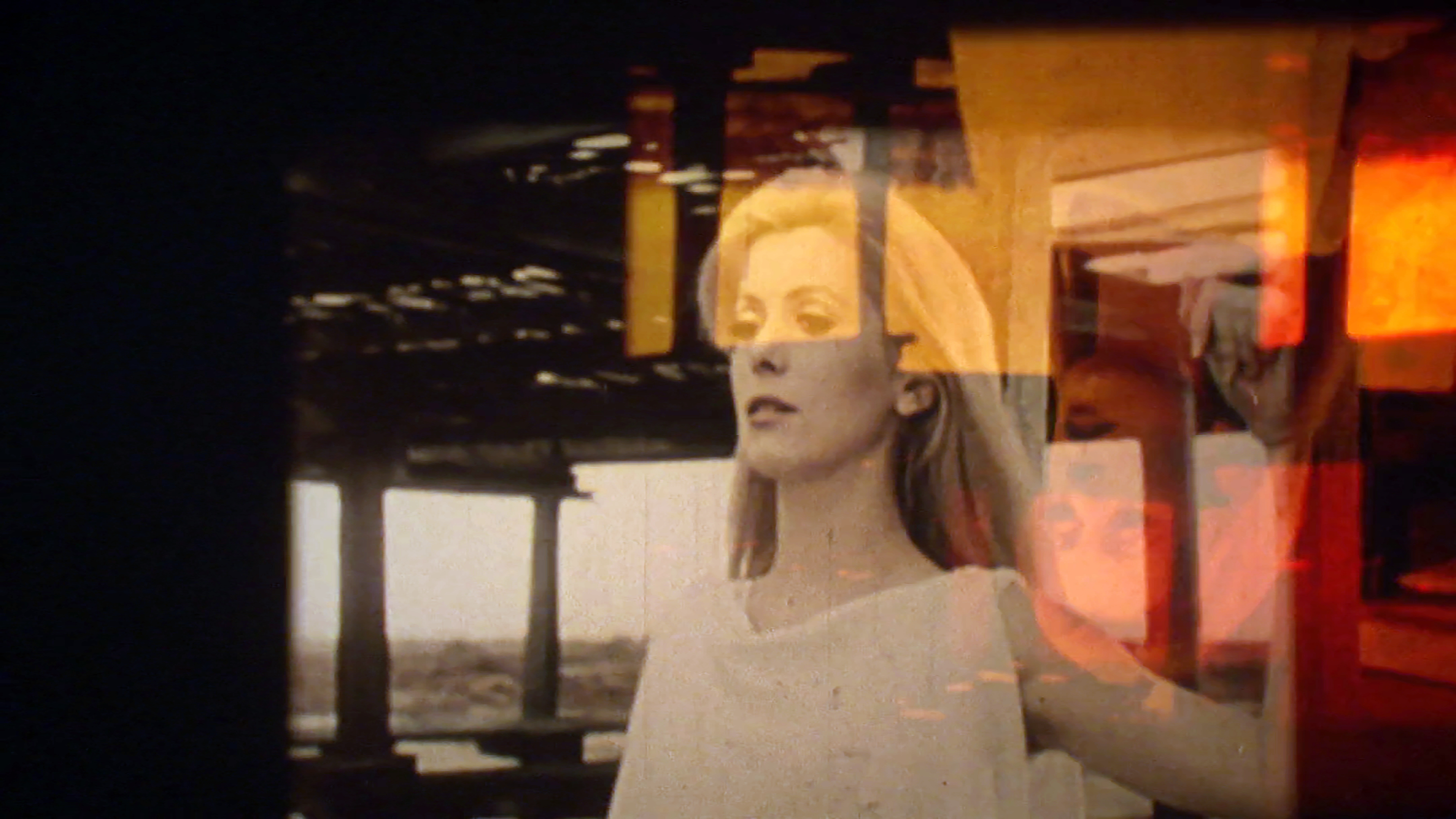
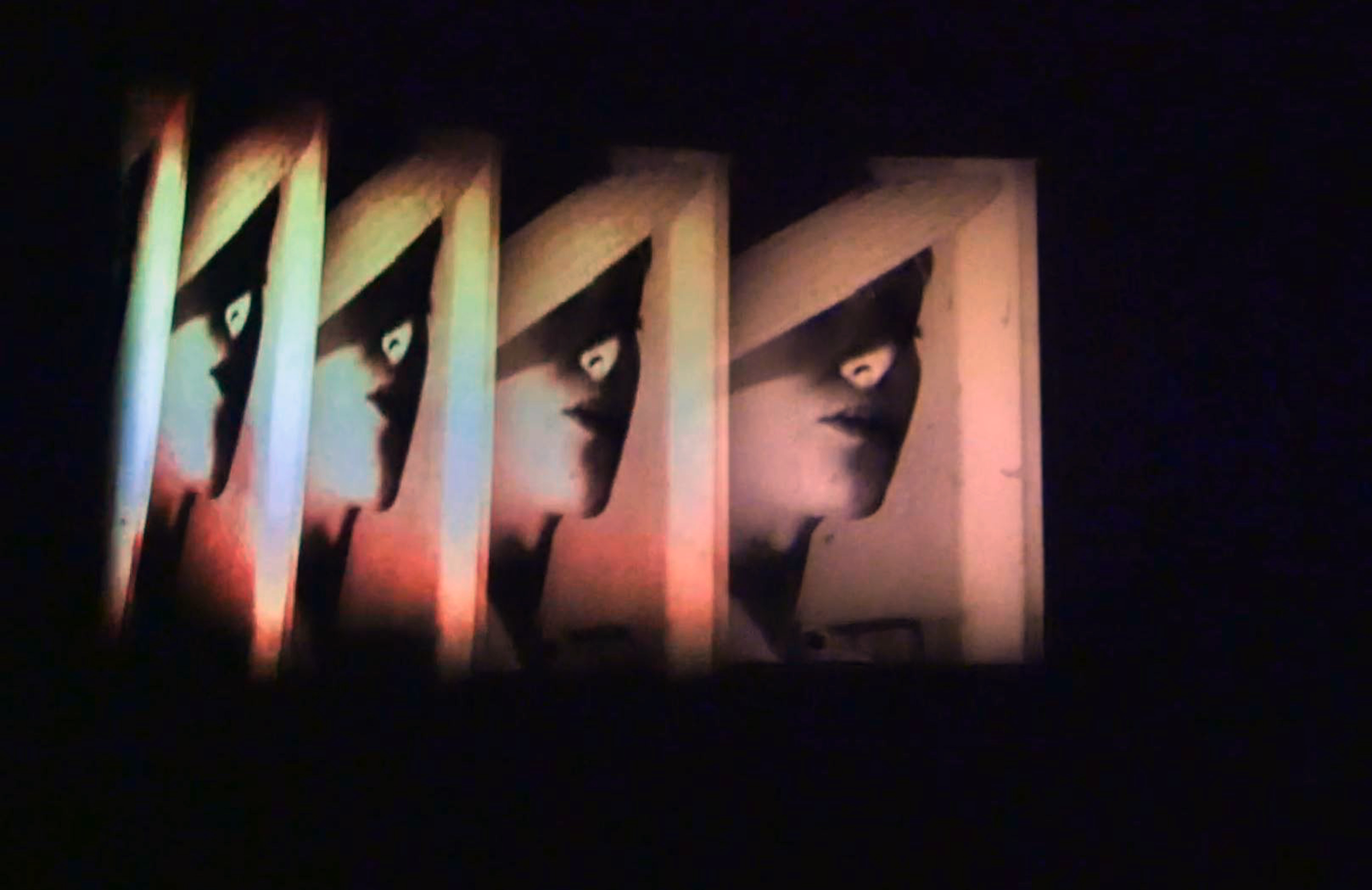
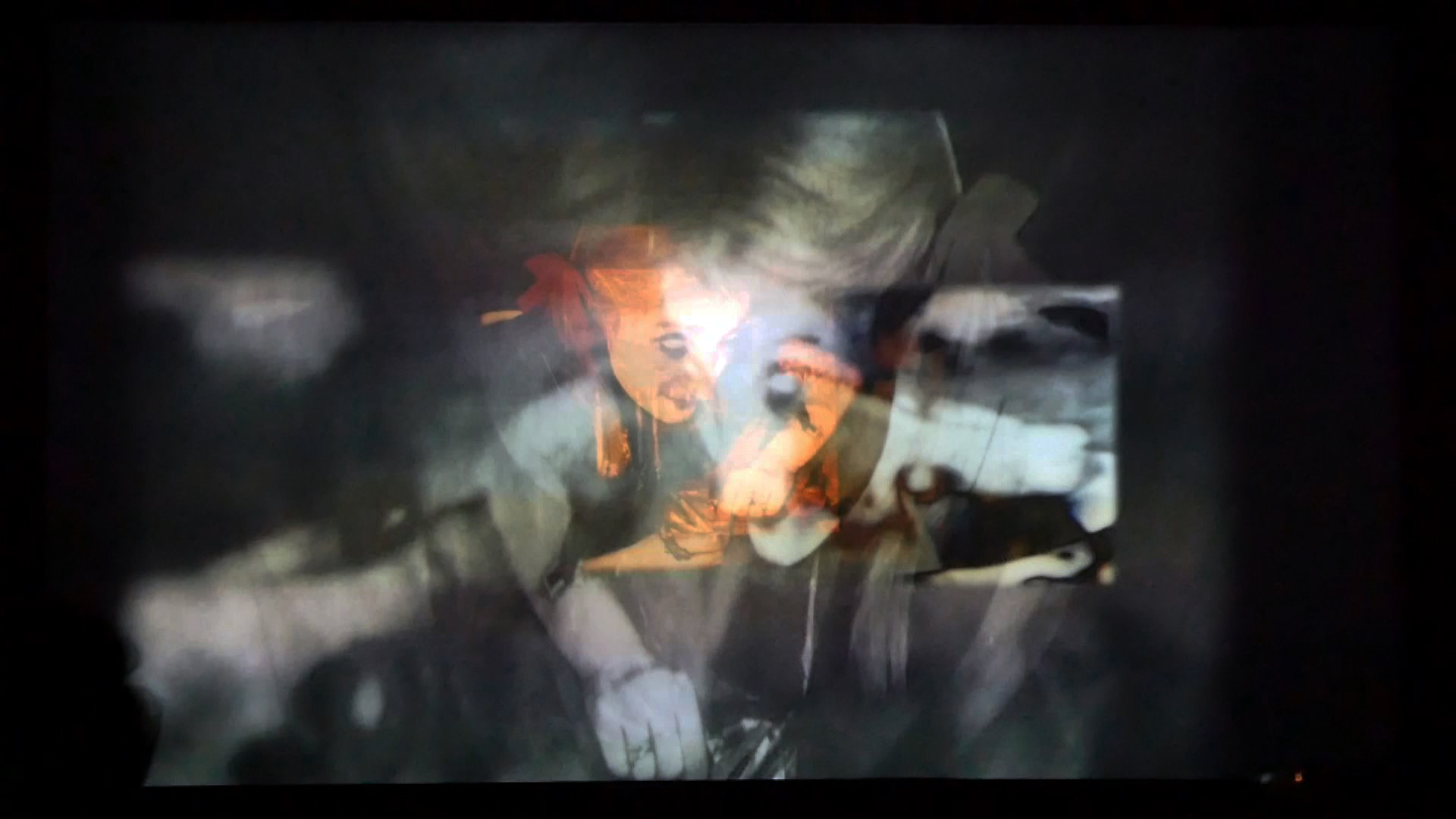
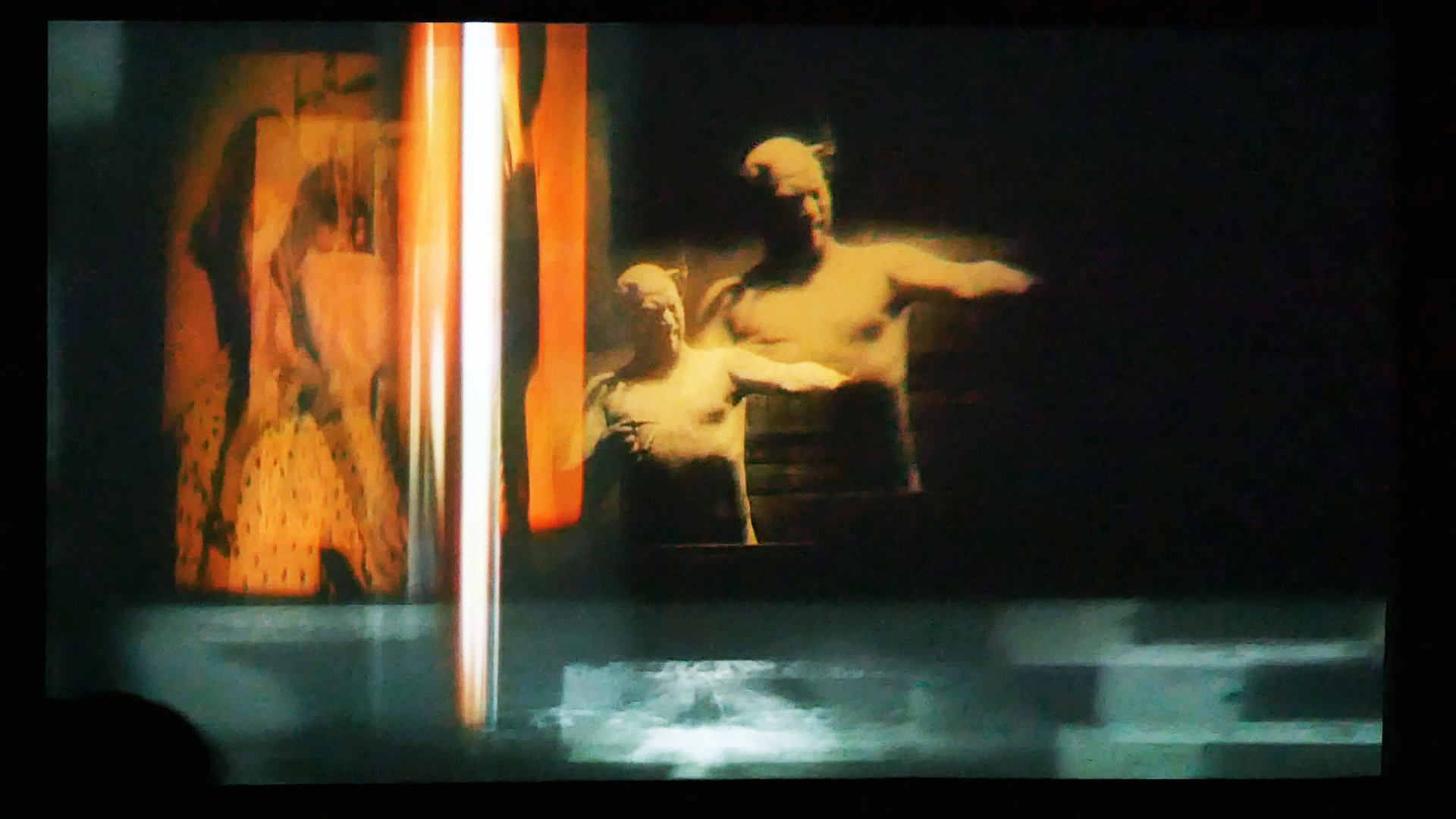
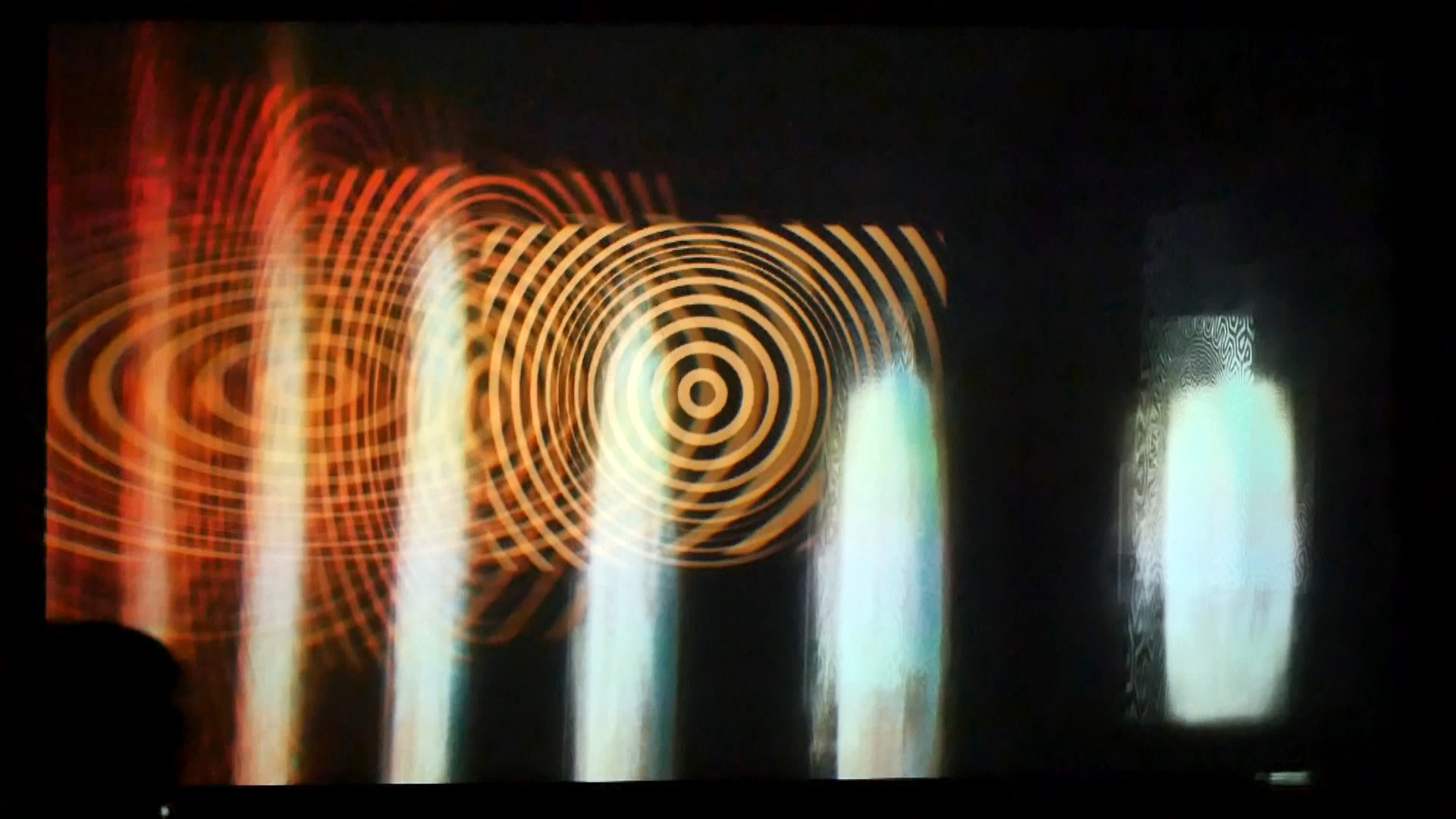
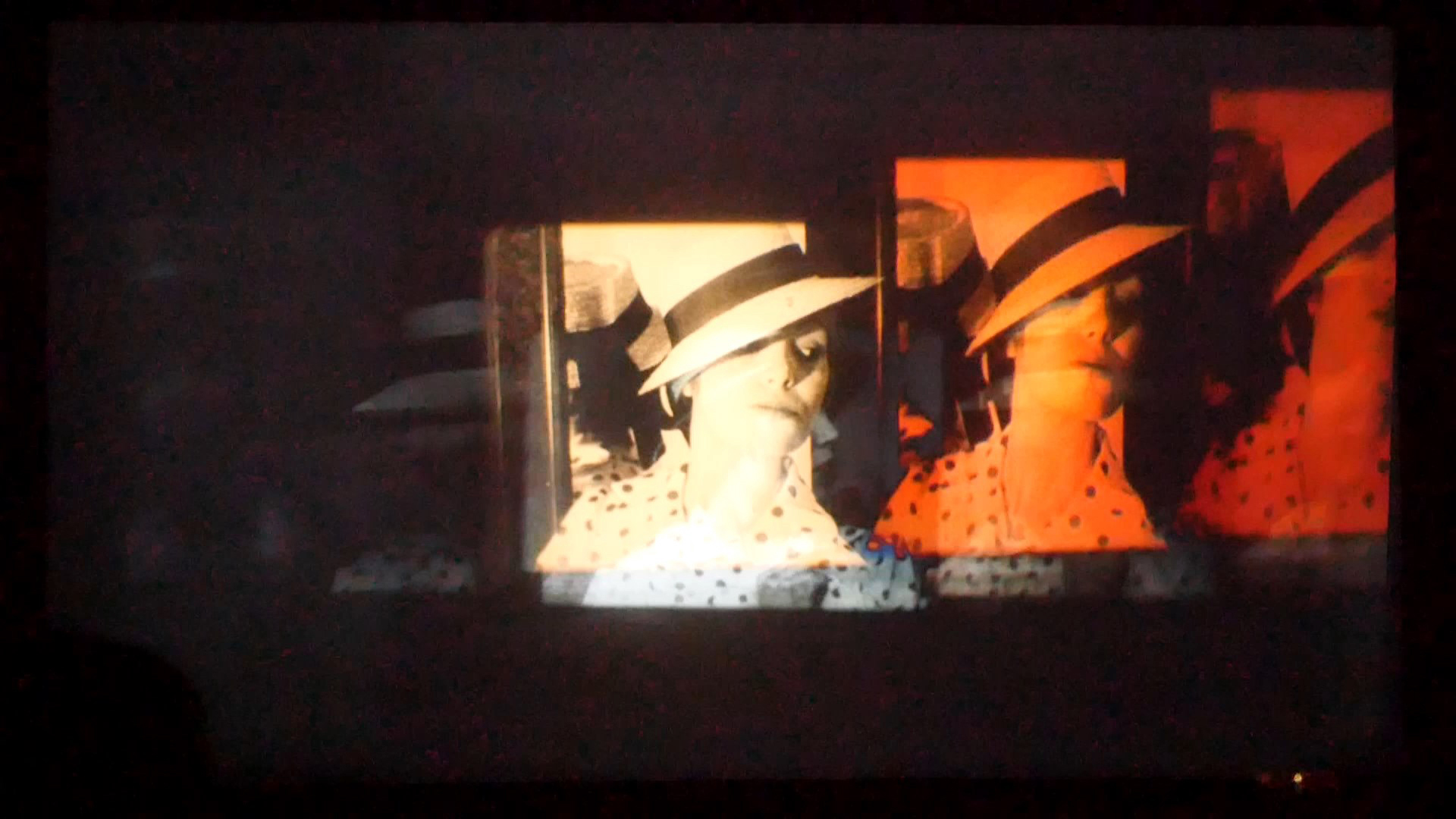
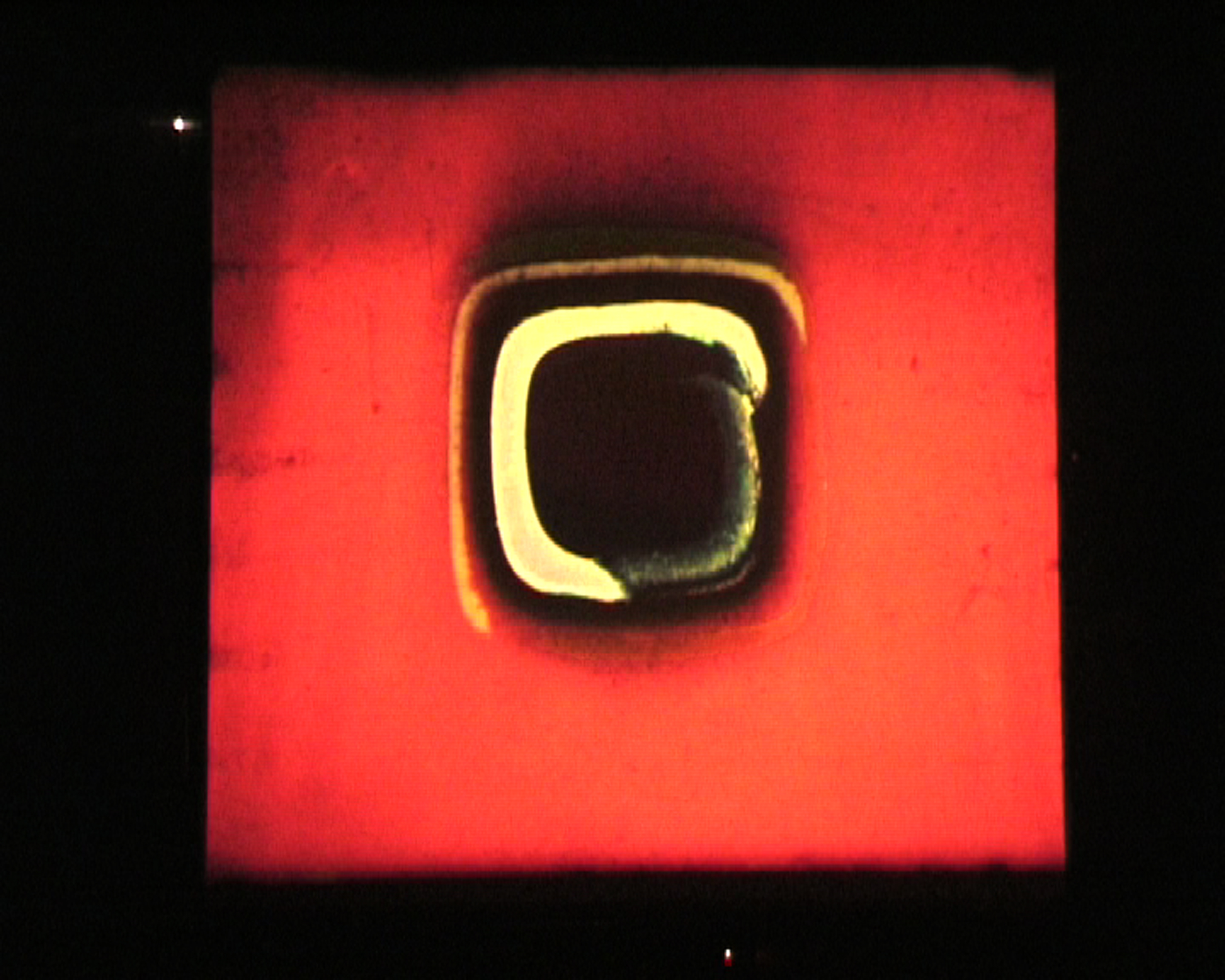
In a genuine gesture of instrumentist, Filmbase develops a set of rythm and texture research, visual and sound compositions, which gives enter to a new substance…
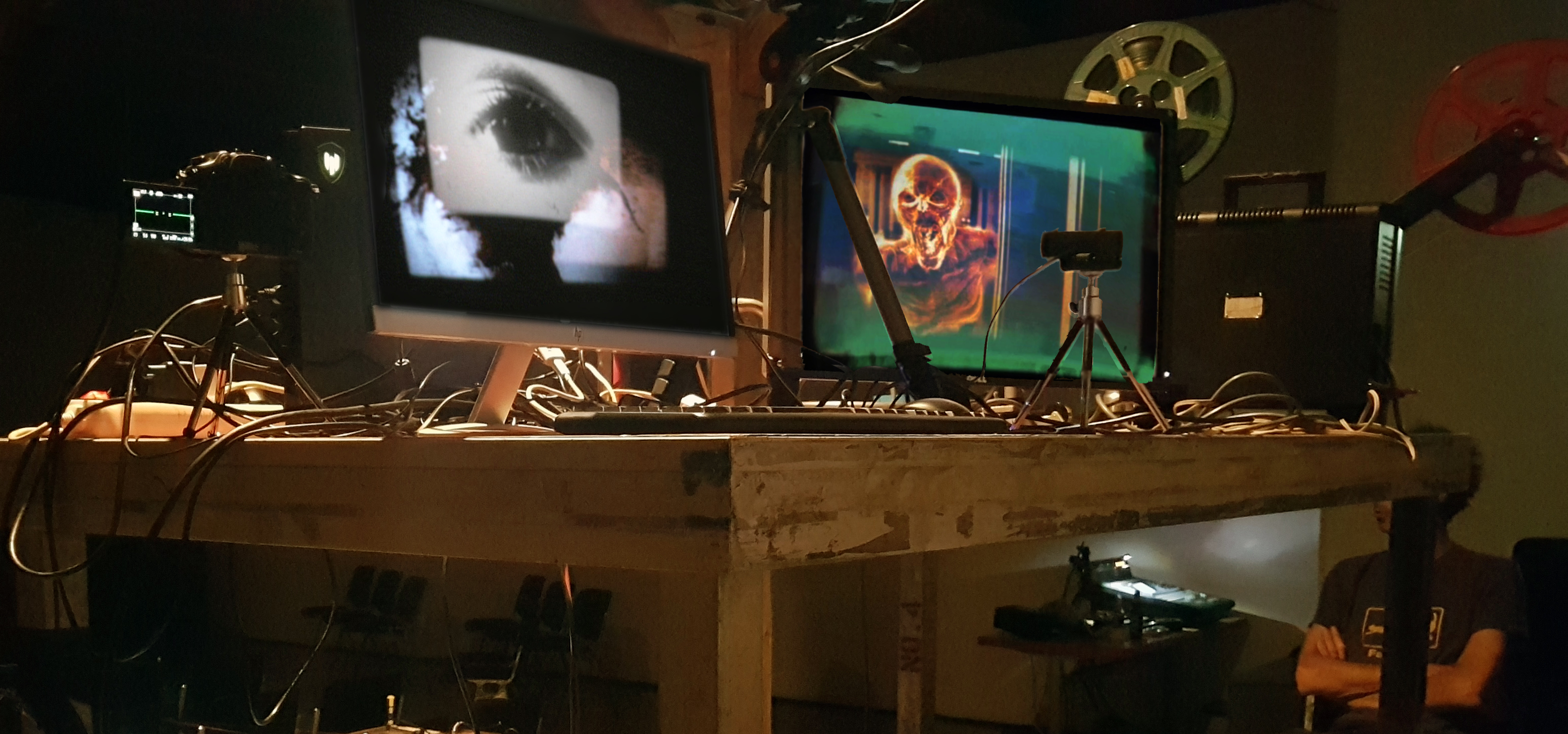
Lionel Palun defined is work as electro-video. In Filmbase he does not use prepared image, he refilm ligth sent by Riojim. From the software he has developed, he worked in direct image by filtering feedback, delay and movements.
Riojim feeds the equation with his 16 mm films projections. Images are shot and processed at Atelier MTK, a cinema.


Riojim 16 mm projector
Lionel Palun video-invidere ware

Previously

2021

Workshop video/danse Dresden (Germany), Motorenhalle
Schmalfilmtage Festival Dresden (Germany), Motorenhalle

2020

Filmbase / Jérôme Noetinger / Anthony Pateras Zürich (Switzerland), VideoEx
Filmbase – Festival international du film de Rotterdam Rotterdam (Netherlands), WORM

2019

Filmbase – Festival Numérique Saint-Étienne, Le Méliès Jean Jaurès

2018

Filmbase – Festival 3‌40m/s Lille, Maison Folie de Moulin

2014

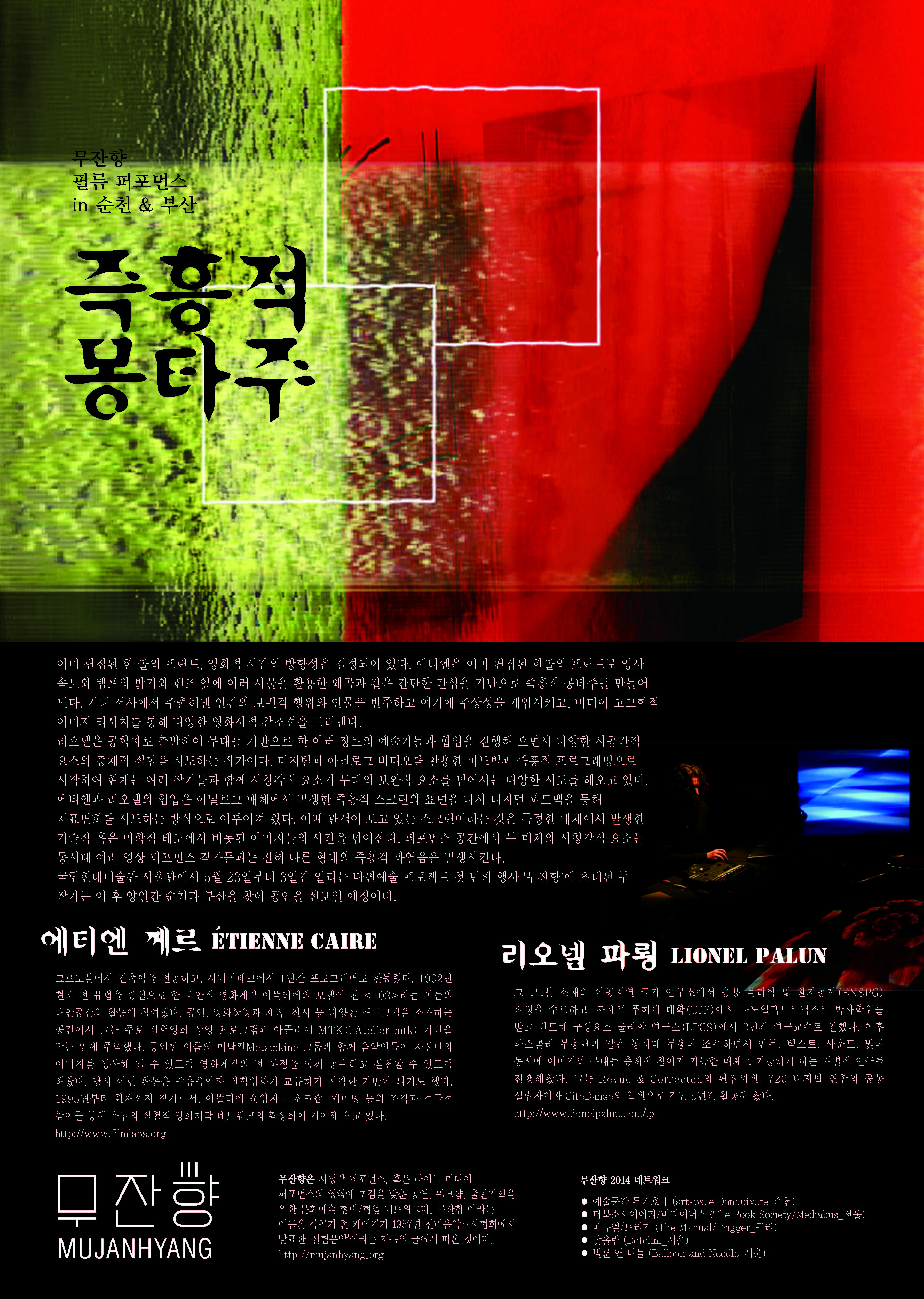
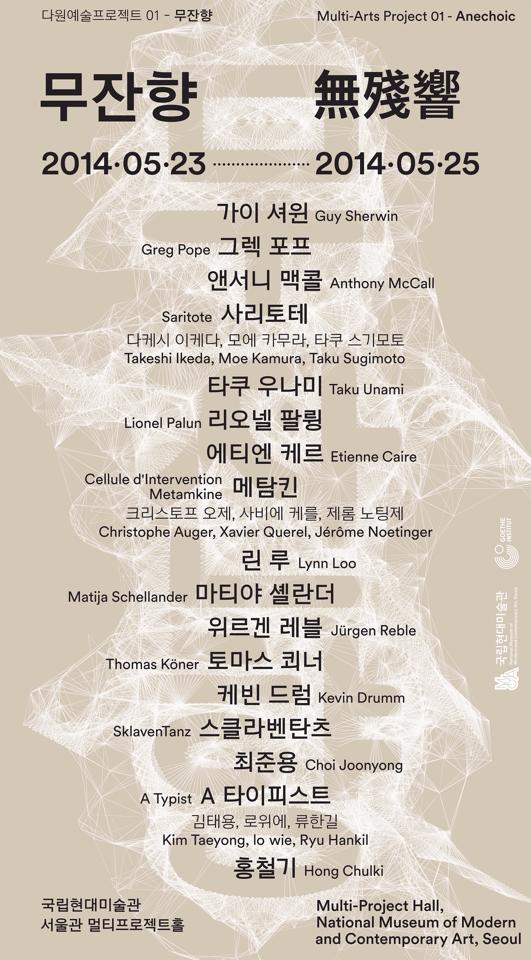
Filmbase – Mujanhyang Festival Seoul (Korea - Republic of), MMCA Seoul

2013

Filmbase – Festival Le Bruit de la Musique Saint-Silvain-sous-Toulx, Chapiteau

2011

Filmbase – Oblo Underground Festival Lausanne (Switzerland), Cinéma Oblo
Filmbase – Festival On n’arrive pas les mains vides Villard-Reculas, Salle polyvalente
Filmbase – Festival Electrochoc 2011 Bourgoin-Jallieu, SMAC – Les Abattoirs

2010

2009

2008

Press

  • Jessie Scott - 29 september 2010

    Review: The Fringe Festival: Superstream

    It would be hard to deny that film is generally a collaborative medium, or, not just one medium in fact but many – a multiplicity of practices brought to bear on a storyline, theme or idea. Practitioners of experimental video conversely tend to be (out of necessity) lone practitioners – acting as director, cinematographer, editor and sometimes key performer and sound designers in their own works. It was fascinating, therefore, to see members of the Superflux collective (of Grenoble, France) team up with local AV outfit Stream Collective on “Superstream”; a site-specific, multi-projection, collaborative and improv-based screening night as part of this year’s Fringe festival recombining individual film/video practices into a new whole.

    Created over 5 intense days of experimentation, negotiation, conversation and play and staged in the Mechanics Institute theatre in Brunswick, the result was ambitious, engaging and exciting. The performance consisted of Superflux artists Etienne Caire and Gaëlle Rouard operating 16mm film projectors from either side of the room; Lionel Palun creating live video feedback; Richard Bokhobza on bass guitar and noise toys; and Stream Collective’s Marcia Jane performing live video projection with Marco Cher Gibard and Rosalind Hall creating sounds on laptop and saxophone. The threat of sensory overload loomed large, as you might imagine. The result was, in fact, a sophisticated conversation between mediums and an effective riffing on the cinema experience.

    The artists were set up on tables at the back of the room, with most of the audience seated on cushions on the floor (to avoid interrupting the line of the projections). The image began small, and would gradually build up and dissapate again, over a very large screen. A few people were craning their necks to see who was projecting what, and how they were divvying up screen space between them, but I was happy to let it remain a mystery, and see how successful or unsuccessful it was as a cohesive whole. Mostly it was the former, but even in moments when the image started getting too complicated, or muddied by too much projector light, the artists would seize on this and develop it to their advantage- opening the gate on the projector to flood the screen with light and then physically interrupt the stream with a hand, for one example.

    The noise of the hand cranking of the projectors became a part of the total sound track, reflecting the conversation that emerged between digital and analog, and live and pre-recorded modes of audio-visual performance. The physical presence of the sounds was notable. It didn’t feel like it was coming from some overarching, anonymous system, but occupied a real space in the room.

    Imagery was diverse, ranging from scraps of film footage (European and Eastern), processed video and prepared abstractions. Many times the video projection would reflect and re-cast the film projection- distorting, doubling, resizing it. There was an uncanny urgency and tension of some of the interplay between sound and image, the building rhythm, and the exploration of shot & reverse-shot in some of the film footage. Marcia Jane’s beautiful abstract lines in striking white, blue and red, alternately framed or cut through the more representational collages that emerged.

    Superflux showed great innovation in their use of multiple, performed projection combined with an absolute focus on improvisation – a practice they have explored over many years – and it is fantastic that local artists have had the opportunity to collaborate with and learn from them. I for one came away inspired and buzzing with ideas about “image dialogues”, “live montage” and analog/digital “conversations”, and it will be particularly interesting to see how this gig affects future Stream works.

  • Cerise Howard - 2010 september 26

    Superstream, or: Many projectors make light work

    http://alittleliedown.blogspot.com/2010/09/superstream-or-many-projectors-make.html

    Superflux, a long-established live cinema quartet hailing from Grenoble, France, and presently touring Australia and New Zealand, hooked up last night with Melbourne AV collective Stream for a night of improvised, albeit to some indeterminable extent, rehearsed, “live cinema”. Kitted out between them with two prepared 16mm projectors; two digital projectors running video feedback and processing; prepared saxophone; bass guitar, and “noise toys”, Superstream let rip with a seriously cacophonous, multi-pronged flickerfest free-for-all of the likes not often seen around staid little Melbourne town.

    It seems fitting that this occurred in Brunswick’s venerable Mechanics Institute. I’m sure the night’s events weren’t quite amongst the goings-on its 1868 founders had anticipated would grace its premises but I can’t help but feel they’d have appreciated the hands-on, bespoke approach to the AV mayhem that filled the Institute’s performance space.

    Cast upon, and across, a large grainy white canvas, multiple projections, thrown this way and then that, rectilinear as a rule but circular and elliptical as well, subdivided the canvas into frames (within frames, within frames), jockeying for position on a busy, collision-filled screen, ever toying with the chance/risk of generating some sort of transitory meaning or narrativity, never less so than when the projections thrown were less of an abstract nature and contained recognisable imagery, whether for split-seconds or for sustained periods.

    When I say “recognisable”, I mean by dint of containing shapes that conform at least roughly to forms assumed by human beings, animals, objects and environments (why, I’m sure at one stage I was seeing, even though its source footage was heavily solarised, a man in military garb grappling with a sealion. I do, however, concede that I might have been mistaken!) They might also have been recognisable by virtue of, on occasion, clearly originating from a familiar source. Amongst all the furious flickering, and the interference/complementarity of rapid-fire barrages of superimposed imagery and visual noise, I’m sure I recognised images/sequences from The French Connection and Häxan: Witchcraft Through the Ages, along with generic Western footage and many other things besides!

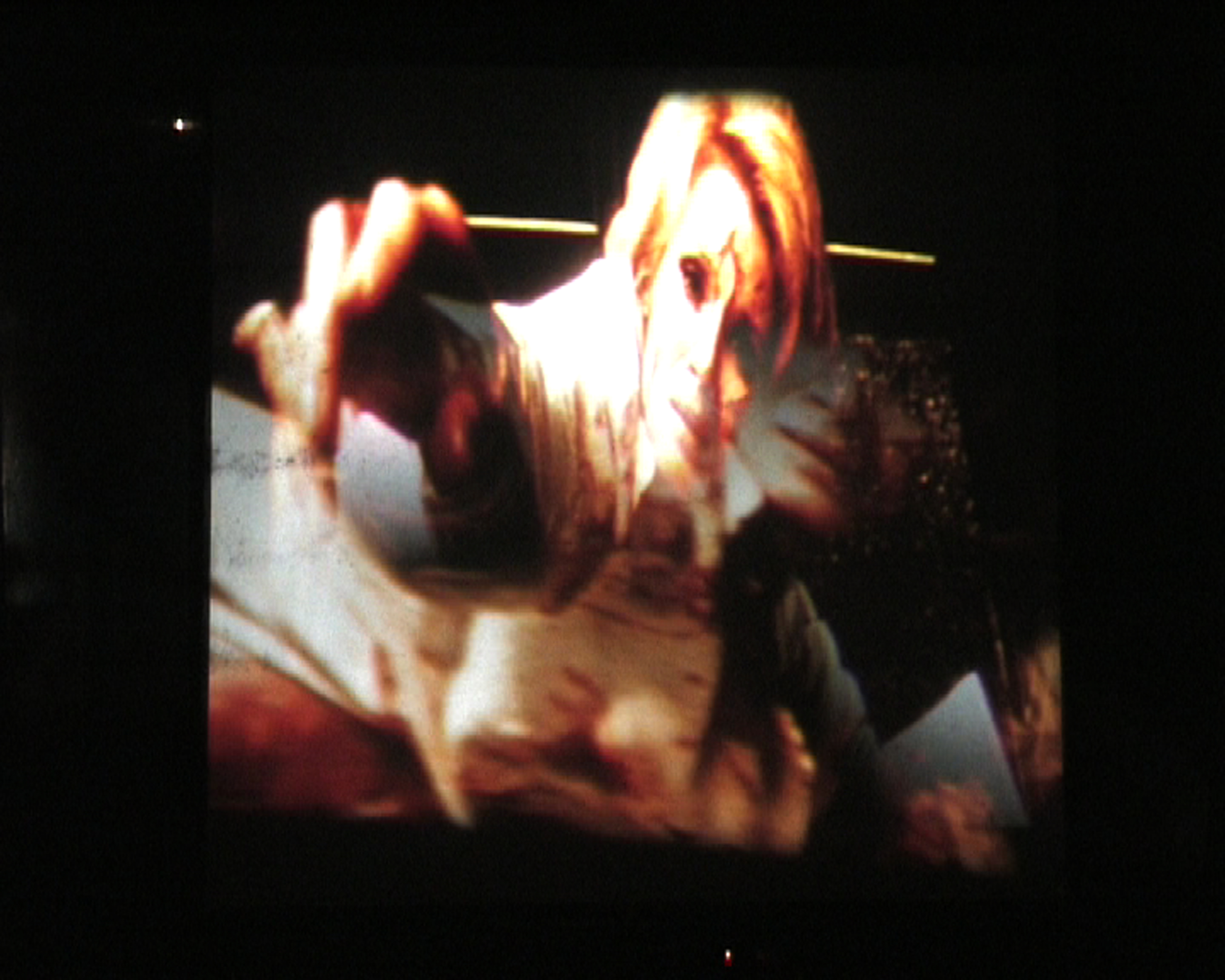
    Aside from all of the in-the-moment image manipulations generated in the act of projection (as was also a large part of the spasmodically, illusorily rhythmic but mostly chaotic soundscape, via the manipulation of optical soundtracks), there was a great deal of play with emulsive chemical processes, not in-camera (presumably… surely that would be very dangerous!) but rather, prepared earlier, leading to some extremely eerie visuals, as faces, bodies and environments just melted away and decayed in a fashion no CGI will ever, ever better. (Be sure to see, sometime, Bill Morrison’s stunning and exemplary Decasia!) These images, often digested subliminally, in concert and/or in antagonism with the greater bombardment of audiovisual (non-)information, are the ones from the evening I took home to bed with me…

    Another pleasure: those moments when the whirr of 16mm projectors occasioned to be heard above the noise, or heard amidst it, providing the loud, but not quite too loud, noisescape with some faltering, underpinning rhythms, as well as conveying a strong sense of those projectors’, and their projected materials’, very materiality, the latter reinforced by moments when the film was evidently being spooled through a little skew-wif, as when sprocket holes started creeping their merry way across the screen.

    And, for a little corporeality to add to all of this wonderful, frantic fusing of analog and digital projected materials: some playful, polymorphous shadow-puppetry penetrated the frame late in the piece from stage-right.

    Extraneous to the performance per se, but expanding upon it in a pleasing historiographical sense, it was a pleasure to see eminent, old guard members of Melbourne’s film avant-garde in attendance: here a Cantrill or three, there a Dirk de Bruyn. (Note to one and all: be sure to get along to “Grain of the Voice: 50 Years of Sound and Image by Arthur and Corinne Cantrill” at ACMI between October 10 and 31, curated by my former Senses of Cinema colleague and current day Age critic, the estimable Jake Wilson.)

    Enjoying some after-show drinks with a good friend and various of the folks to have earlier provided such splendid (and free!) entertainment, down the road at the Brunswick Green on a busy AFL Grand Final Day night, I concluded I’d had myself a lovely evening, and that I’ve successfully stoked in myself quite the interest in attending more expanded, performative cinema events. I’ve been remiss in seeing all too few in times gone by, even despite – or perhaps because of – having been a party to amateurish perpetrations of such a couple of times in the past myself.